




In the aftermath of the COVID-19 pandemic, many people are left wondering: Why do I keep getting sick? For some, recovering from COVID was just the beginning – frequent colds, lingering fatigue, and recurring infections have become common complaints. Has the virus left a lasting impact on our immune systems — or are we simply more tuned in to our health than we used to be? These questions highlight growing concerns about our body’s ability to defend itself in a changed world. Let us explore the role that the immune system really plays in our overall well-being, and how we can help it stay strong.
Understanding immune system
The immune system is the body's defense mechanism that protects against infections, diseases, and harmful substances. It identifies and neutralizes pathogens like bacteria, viruses, fungi, and parasites. It also identifies and removes damaged or abnormal cells, including some cancerous cells.
A well-functioning immune system helps maintain health, reduce illness, and support faster recovery. A weak or overactive immune system can lead to frequent infections, autoimmune diseases, allergies, or chronic inflammation, all of which affect quality of life and longevity.
Role of nutrition in building immunity
Micronutrients are small but powerful nutrients that help keep our immune system strong. Vitamin A keeps our skin and the linings of our nose and mouth healthy—these act like shields against germs. Vitamin C helps our body make more white blood cells, which fight off infections. Vitamin D regulates immune responses and has been shown to reduce the risk of respiratory infections. Vitamin E protects cell membranes from oxidative damage and enhances T-cell function. Among minerals, zinc is essential for immune cell development and wound healing. Iron supports the growth and differentiation of immune cells, while selenium acts as an antioxidant and plays a role in preventing inflammation. A deficiency in any of these nutrients can impair immune responses, making your body vulnerable to illness.
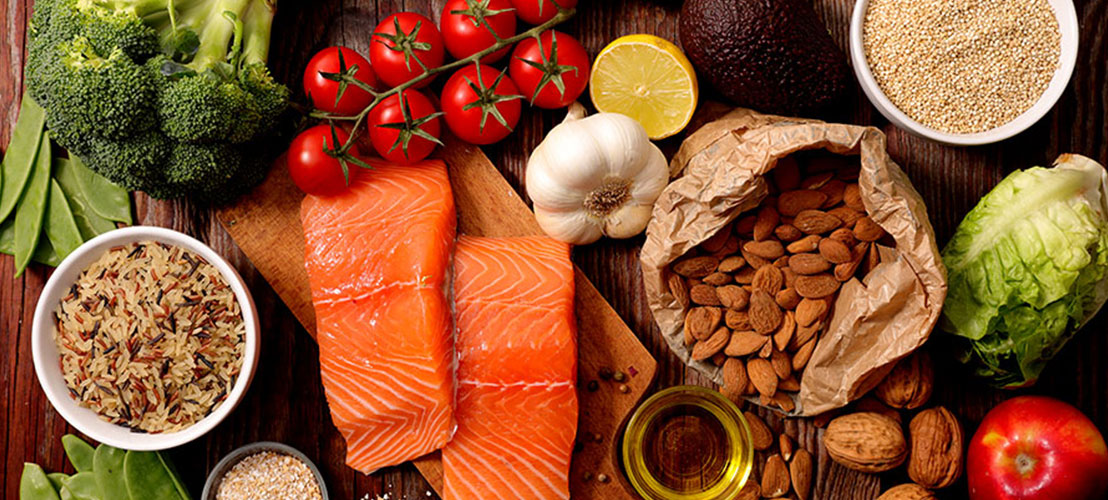
On the other hand, macronutrients also play a significant role in maintaining immunity. Carbohydrates provide energy for immune cells to function effectively. Proteins are essential for building antibodies and immune cells, helping the body fight infections. Healthy fats, like omega-3s, reduce inflammation and support immune regulation. A balanced intake of all three supports a strong, well-functioning immune system. Hence, including a well balanced nutrition is the key to maintaining a resilient immune system.
Healthy lifestyle habits too play an important role in maintaining strong immunity. Quality sleep helps the body repair and fight infections. Regular physical activity boosts circulation and immune cell movement. Managing stress through relaxation, mindfulness, or hobbies prevents immune suppression. Supporting your immune system isn’t just about one thing—it’s about the whole picture. A balanced diet, regular exercise, quality sleep, stress management, and staying hydrated all work together to keep your body strong. By adopting a holistic approach to health, you build lasting resilience and improve your overall well-being.
Foods containing micronutrients that support immune functions:
|
MICRONUTRIENTS |
FOODS CONTAINING THESE NUTRIENTS |
|
Vitamin A |
Carrots, pumpkin, sweet potato, papaya, muskmelon, mango, capsicum egg yolk, milk and milk products, spinach |
|
Vitamin D |
Mushrooms, egg yolks, cod liver oil, salmon, sardines, tuna, mackerel. Abundant in daily sunshine. |
|
Vitamin E |
Sunflower seeds, almonds, hazelnuts, peanuts, avocados, spinach, broccoli |
|
Vitamin C |
Citrus fruits, amla, guava, strawberries, mango, lemons/ limes, capsicum, red capsicum. |
|
Zinc |
Pumpkin seeds, cashews, chia seeds, chickpeas (channa), plain curd. |
|
Iron |
Lentils (dals), chickpeas, rajma, spinach, methi, ragi, rajgira, til, tofu. |
|
Selenium |
Brazil nuts, sunflower seeds, chia seeds, sardines, eggs. |







Add comment