




The fact that stress impacts our mental health has always been a well-known. Recent research shows that our mental health and our physical health cannot be compartmentalised - each affects the other.
The ways we get stressed
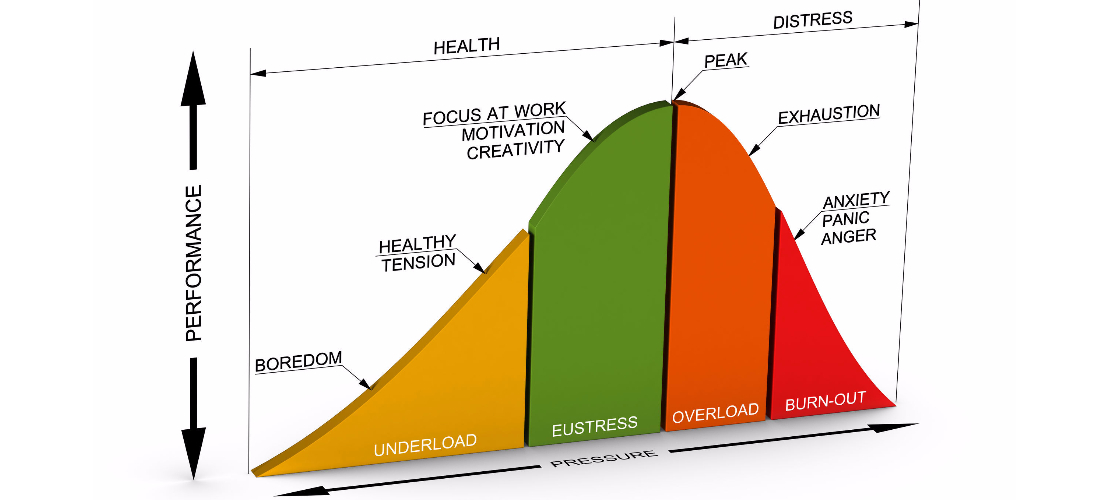
There are two different types of stresses, and both have a different impact on our heart. There is acute stress – the kind of stress that happens when something horrible suddenly happens– for example, a loved one passing away in an accident, profound financial loss, or being a part of a violent crime. This kind of stress can have a direct impact on our heart health. For example, in 1994, a powerful earthquake hit California. That day, the average deaths due to heart problems across California went from 4.6 to 24.
The other type is chronic stress – a low level of stress that lasts for a long time. Examples of this would include constant conflict with a spouse, work pressure that never eases up, caregiving for ill parents etc. This kind of stress can be compared to a pressure cooker where the heat is low and hence the impact is not easily seen but the pressure keeps building anyway. Studies have shown that factors like marital stress and work stress increase the risk of developing cardiovascular diseases.
Good things can be stressful too
Surprisingly even stress associated with pleasurable events can increase our risk of heart disease. During a recent World Cup Soccer event, heart attacks more than doubled in a German city where the local team was playing, on the night of the match.
Overall, psychological stress has been estimated to be associated with an 40-60% excess risk of heart disease.
How does stress harm the heart?
Stress can cause heart disease by causing inflammation in different parts of the body, which in turn is linked to factors that can harm the body, such as higher blood pressure and lower LDL, the good cholesterol. But chronic stress can also affect the heart in an indirect way. When we are stressed, we are more likely to sleep less, less likely to eat less healthy, and more likely to skip exercise. All of these lifestyle choices can put our hearts at risk.
Dealing with stress
There are two ways to deal with stress. First, we can build our resilience so that the normally stressful life circumstances do not affect us as much, and second, we learn to resolve the stressful situation so that it stops affecting us. Let us examine each in greater detail.
Building up resilience
- Exercise : There is nothing that helps our body as much as exercise does. 40 minutes of brisk exercise for at least 5 times a week is ideal.
- Sleep : Often underestimated and the first to be compromised, a recent study said that 93% of the Indian population is not getting enough sleep. A human adult needs 7-9 hours of sleep every night and if we are getting enough rest every night, we are better equipped to handle any adverse life events that come our way.
- Friends and family: Having friends and family we share a strong emotional bond with has many benefits, and that results in better heart health. It is important to maintain social connections and talk regularly with people we trust and whose company we enjoy.
- Hobbies : Having an interest which is outside work can do wonders to increase our resilience. Building models, painting, singing, photography – any activity that allows you to be creative, focused and also involves social interaction with others who share the same passion, works.
Addressing the cause of stress
The source of the stress can be varied and different for different people. Work can cause us stress in many ways. There could be difficulty in meeting targets, difficulty with interpersonal relationships at the workplace, or not feeling trained enough to do the job among others. Marriage can cause a lot of stress too with conflicts and difficulty in meeting expectations again. Children while a source of great pleasure, can also be a source of stress. Elderly parents living alone can be a stressful for us. Everything and anything in our life is a potential source of stress. To better deal with the stressors in order to not let them affect us so much, is not an easy task and there is no common formula that can be used in different situations.
Talking to a counsellor can help in figuring out how to best deal with the situation.









Add comment