




5 more minutes of precious, precious sleep! Is that the first thought you have every morning? You are not alone! And no, it doesn’t mean that the world is full of lazy bums, it just shows how common sleep deprivation is. In fact researchers suggest that at least one-third of the population doesn’t even get 6 hours of sleep a night (average sleep required for a healthy adult being 7 – 9 hours daily).
Lack of sleep can affect all areas of one’s life, including:
-
Emotions – increased irritability, anxiety and even depression
-
Ability to function – impairs attention, alertness, concentration, decision making and performance
-
Sex drive – lowers libido, impacts hormones
-
Health – higher risk of diabetes, heart disease, high blood pressure, stroke, obesity
Resolving to get enough sleep is easier said than done. There are a variety of factors that hinder restful sleep, and while some may seem outside your control, there are still things you can do to make it easier.
-
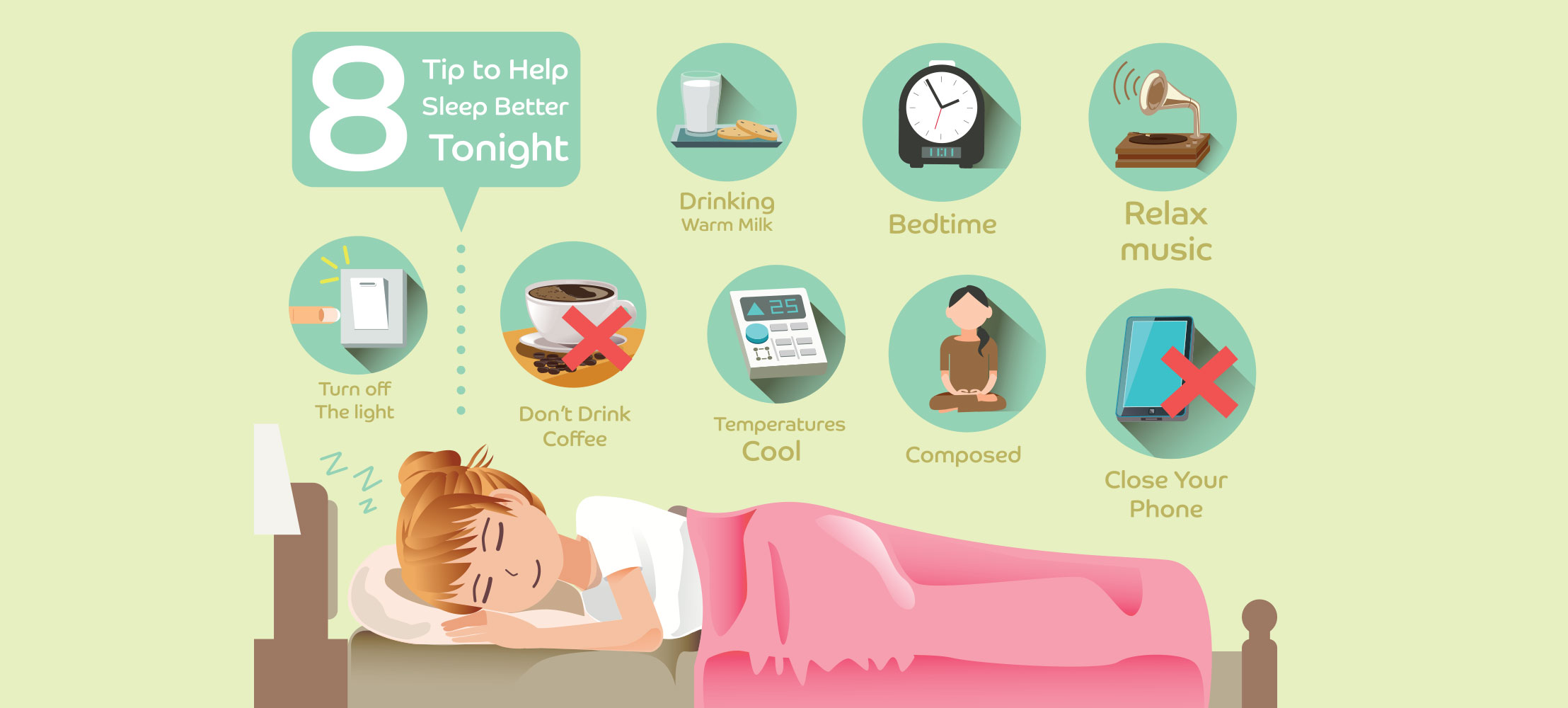
Dealing with environmental factors: noise, light and temperature are all external factors that can prevent a good snooze. Try and ensure that you have a quiet, cool and dark place to sleep. Use dark curtains, close windows, turn on the fan or AC for temperature control as well as to cut out random noise from the outside. Use eye masks and earplugs if nothing else works!
-
Avoiding disturbances: If others around you have different timings it is likely that your sleep might get disturbed too. Children, especially new babies, pets, your partner’s snoring – try to minimise these disturbances if possible. At least keep your phone switched off or on silent mode to ensure that unnecessary calls and messages don’t wake you up.
-
Pre-sleep habits: Your activities in the few hours before sleep can also have an impact on sleep. Avoid smoking, drinking alcohol and caffeine and exercising too close to bedtime. Instead engage in a relaxing routine before sleep – have a warm bath, drink warm milk, listen to relaxing music or read a book (not the electronic kind!) In fact, it is also best to avoid all electronic devices such as laptops, smart phones and TVs before bed. The blue light from their screens is known to hinder sleep.
-
Addressing health issues: Aches, pains, and other health issues even some medications can impede sleep. Sleep disorders like Sleep apnea, REM Sleep disorder, Restless legs syndrome, narcolepsy etc. can hinder sleep and can require medical interventions. Speak to your doctor if you think that might be the case with you. Avoid self-medication though.
-
Making sleep a priority: Since one cannot make more time, the only option is to get more out of the 24 hours you have. Learning time management, skills of delegation and simplification and sometimes just dropping perfection helps!
-
Not losing sleep over sleep: If you are tossing in bed, it’s best to get up and do something, take your mind off and come back to bed in sometime. Avoid things that make you more alert (like coffee or video games), instead listen to soothing music, read or try meditation.
-
Putting aside stress, worries and emotions: By far the biggest cause of sleep disruption is what’s going on in one’s mind. Work pressure, relationship conflict, financial, health or other worries need to be addressed during the day. Consciously avoid pondering over them when it’s time to turn in.
While there is a lot you can do yourself to improve the quantity and quality of your sleep, talking to a professional counsellor can also help address and resolve the concerns that keep you awake.









View All2comments
Add comment
Really helpful to manage my sleep as i work in night shift
Very Good Article