




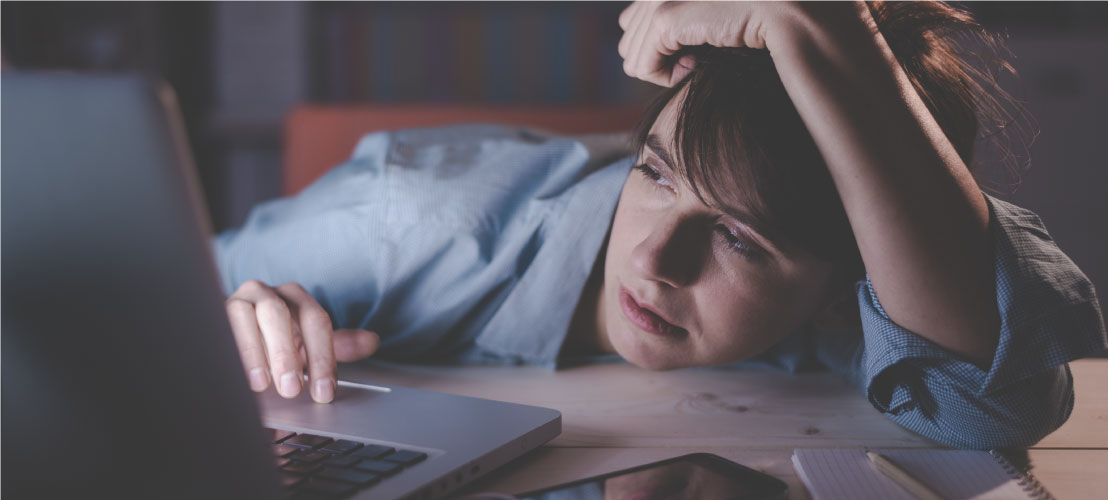
Find yourself scrolling endlessly to fall asleep? Binge-watching movies and tv series late into the night? While we may be using it to relax, unwind or for entertainment, research has been consistent in finding that excess screen time, particularly at the end of the day and just before bedtime can interfere with sound sleep.
Is the light of your screen keeping you up? Ideally, when the sun rises and we are exposed to sunlight, it triggers the release of serotonin in our body, which makes us feel alert, awake and energized. Towards sunset and in the absence of light, the serotonin levels drop and the release of melatonin is triggered, which makes us feel relaxed and sleepy. When we use a lot of screens, the high intensity of blue light that is received through our eyes, inhibits the release of melatonin which is needed for us to feel sleepy.
How long can you scroll for before feeling tired? Before we fall asleep, our brain activity slows down, our muscles relax and we feel sleepy. Viewing interesting content just before we sleep can make us feel excited and stimulated. Instead of winding down, we are engaged and our brain is active and processing a lot of information, making the transition to sleep more difficult.
Has a notification ever woken you up? In a night we cycle through different phases of sleep, Rapid eye movement (REM) sleep, non-REM sleep, deeper sleep, lighter sleep etc. All stages are important for good quality sleep. Constant disruptions because of our devices does not allow us to cycle through these phases of sleep.
Do you like to sleep in on weekends? We may be enticed to stay up for longer, go to bed later because of a movie, or watch just one last video. This loss of sleep contributes to a sleep debt that has physical and cognitive effects on us. While we may try to catch up on sleep, we cannot undo the damage that comes from sleep debt.
Regulating your screen usage can help with improving your quality and quantity of sleep:
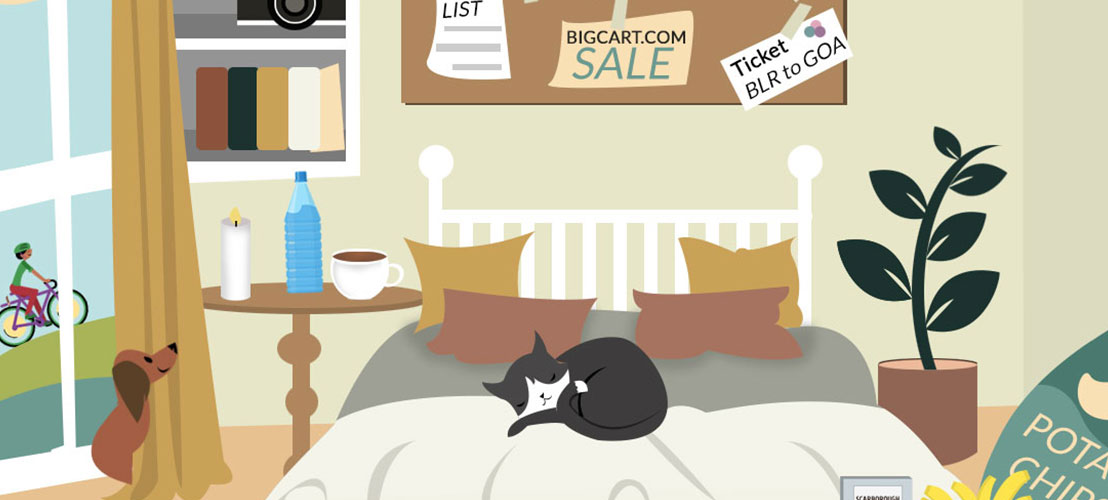
- Make your bed a screen free space: Use your gadgets at your work desk/table/sofa/dining room etc. Use your bed only for sleeping,
- Screen curfew: Choose a time when you put your phone away before bed. You could switch it off or put it on silent/bedtime mode.
- Blue light filters: Lower the brightness on your gadget to avoid exposure to intense light, use the option of a bedtime mode/filter where possible.
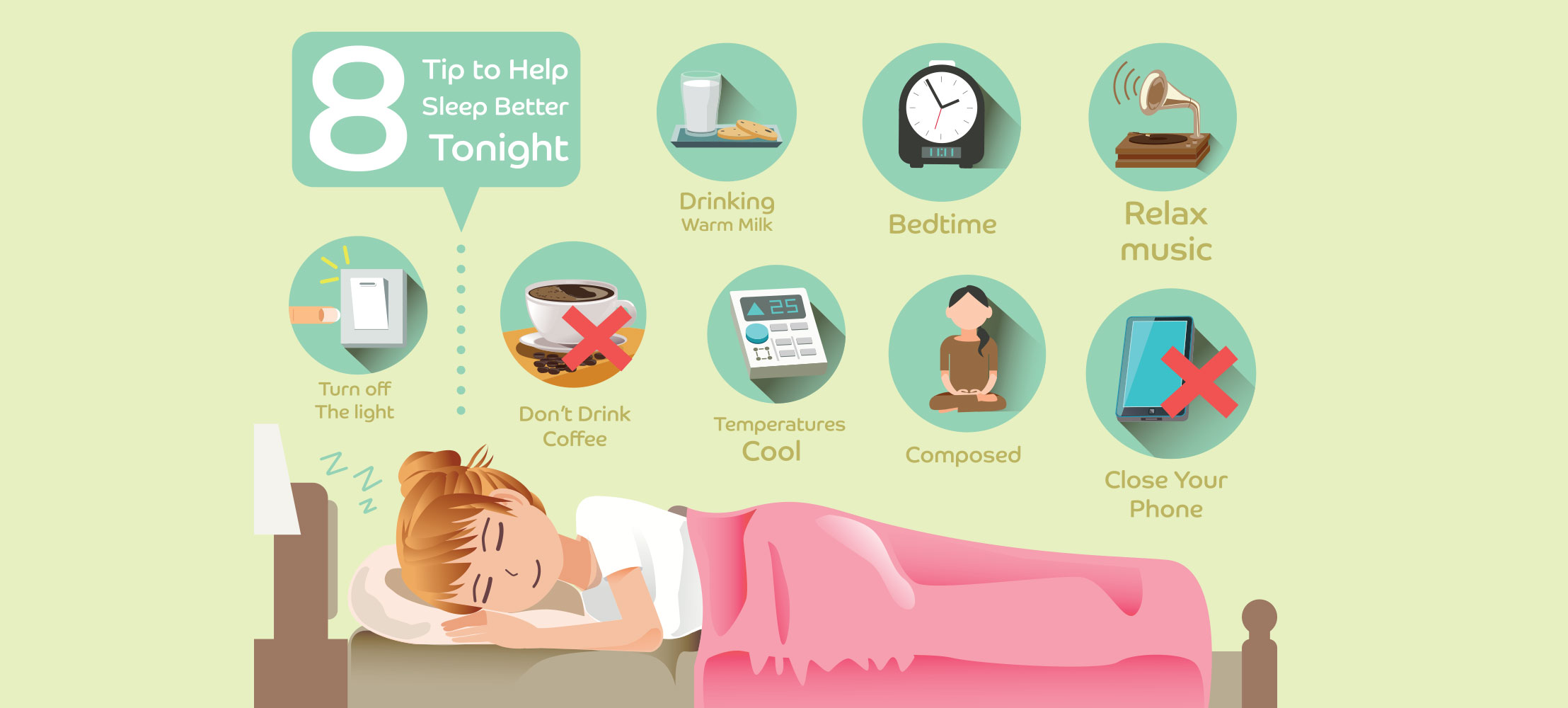
- Create a new bedtime routine: The body and mind needs to unwind and move into relaxation mode to be able to fall asleep. A warm bath, reading a book, reciting a prayer are some ways to relax instead. Make a to do list for the next day or listen to music or a podcast. Build a new wind down and bedtime routine with less screentime for your eyes that works for you.
Besides excess screentime, there are other disturbances to sleep, for instance having worrisome thoughts, difficulties with working on a night shift etc. If you struggle with this or any other area of your sleep, do reach out to a counsellor for help.







Add comment