




Seeing children play with others, having a conversation with relatives or enjoying themselves at a birthday party can be fulfilling for a parent to see. Some children however, may struggle with this and look uncomfortable or uneasy in these situations. They may want to stick to you, play alone in a corner, or want to play games on the phone by themselves. As a parent, this can be distressing to see. Most parents want their children to enjoy and thrive in their surroundings.
Every child is different in terms of their temperament and certain biological predispositions. For example, some are crankier, some are calmer, some may want you to play with them constantly, while some may be happy playing alone for hours. A little bit of what they inherit along with what they see in their own mother or father, whether introverted or extroverted, may contribute to their childhood social behaviour.
So should I encourage my child to be more social?
It could be a good thing that a child can speak well with family and relatives, and it could be an equally good thing that a child sits quietly at school during an exam. Perhaps one question to ask yourself would be whether their shyness get in the way of them doing something that they really like. For example, they love to dance, but do not want to take part in a school dance event. Every child will have their own strengths and temperament, and as a parent you may be in the best position to understand the pulse of your child and know when they are doing well and enjoying something.
Mildly shy, very shy or not shy at all- Here’s what you can do to encourage healthy social behaviour:
Prepare them beforehand: Talk to them about some part of the event that they would genuinely look forward to or enjoy. For example, “We are going for a birthday party and they will cut a special cake”. Or, “We are going to a relatives house and your favourite cousin will be there”. “We are going to school today; you can wear your new jacket”.
Reward them for outgoing behaviour: If they need to attend a social event, or take part in a school competition, which is out of their comfort zone, promise them some reasonable reward. For example, “If you practice your song for the school competition, you can watch one episode of your favourite tv program”. Choose rewards that are age appropriate and stick to your word!
Highlight intrinsic rewards: After a social event, talk to them and highlight through your conversation what they may have liked about it. For example, “Didn’t you feel good when teacher gave you a star for participating?” or “I liked to see you enjoy playing on those new swings at the park with those other children”. Telling them that you are proud of them is also deeply rewarding for a child.
Help them with the smaller tasks of socializing and making friends: For example, allow them to buy some sweets that they can offer to new children to break the ice. Have some age-appropriate games that they can play with. Younger children may play individually with toys beside other children, older children may play with other kids whether it is passing a ball or inventing their own games. Provide them with some structure/words they can use, by saying hi to another child, waving goodbye etc.
Do not avoid social events just because they do not like it: If your child is already crying, upset and irritable about some social situation, it may not make sense to push or force them to act or behave differently. However, if they are invited to parties, have to attend some function or require to participate at school, allow them to just show up and participate in the measure they can, so that regular exposure will expand their comfort zone in these situations.
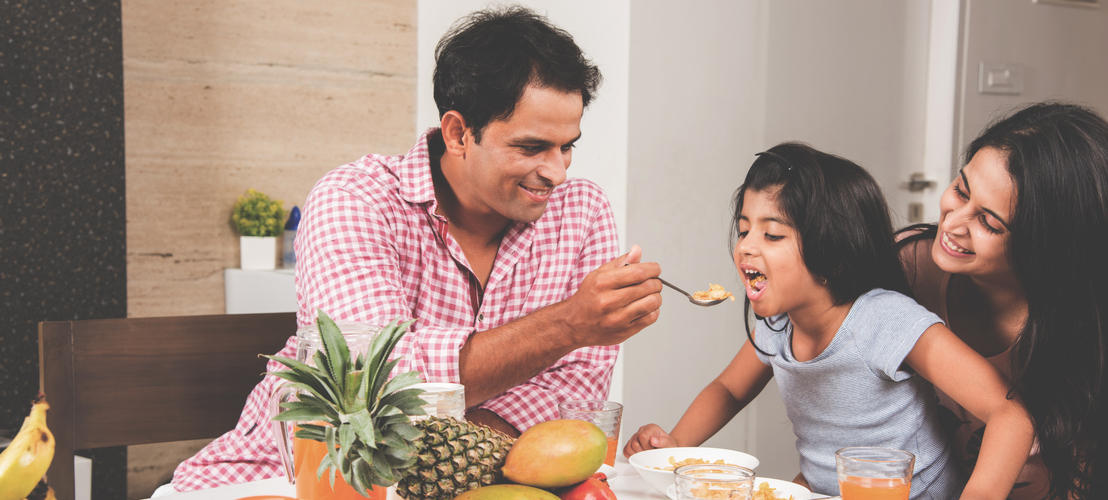
Model social behaviour: Children are quick to pick up on whatever their parents do, and they also learn by observing and mimicking. Make efforts to model for your child healthy social behaviour whether it is greeting others in social situations or participating in social events yourself. Take them along with you to the shop to watch you buy something while giving them smaller tasks they can do, asking for the items, handing over the money etc. This will allow them to have a safety person or an anchor in new or uncomfortable social situations.
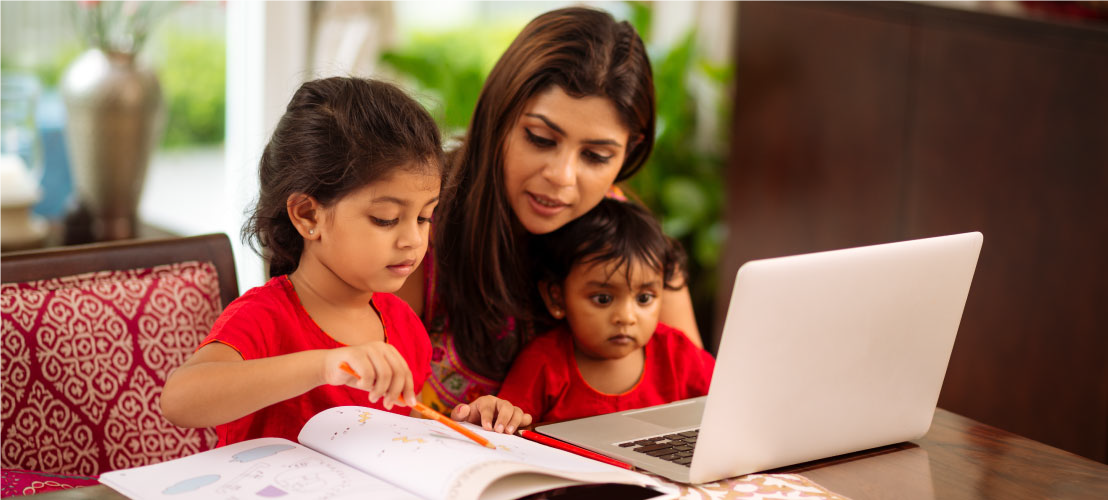
Be careful with too much screen time: In the formative years, play is the best way for children to learn and interact with each other, they learn to socialize through play. Plan and make efforts for your child to play at the park, with the other children in the society or area, or friends, cousins and relatives. An age-appropriate amount of screen time can work well as a reward for good behaviour, however it cannot be a child’s sole form of entertainment and interaction with the world and is detrimental for their developing brain, speech, social skills etc.
In conclusion, while it may be common for children to be shy around new or unknown children or adults, helping them learn the tasks required to socialise, exposing them to social situations and allowing them to experience the enjoyment that comes with it, may encourage healthy social interactions.
It may help to look into the issue further if you notice atypical behaviours that includes trouble in making friends, frequent aggression without provocation, or disengagement and isolation.










Add comment