



Shankar, Meena and their two children had a fairly fixed routine; a schedule of what is to be done, when and by whom…Shankar would drop off the older one at school on the way to work. Meena would finish chores at home, leave the baby with her parents and then head to work. Their lives were quite organised with schedules for the week and the weekends.
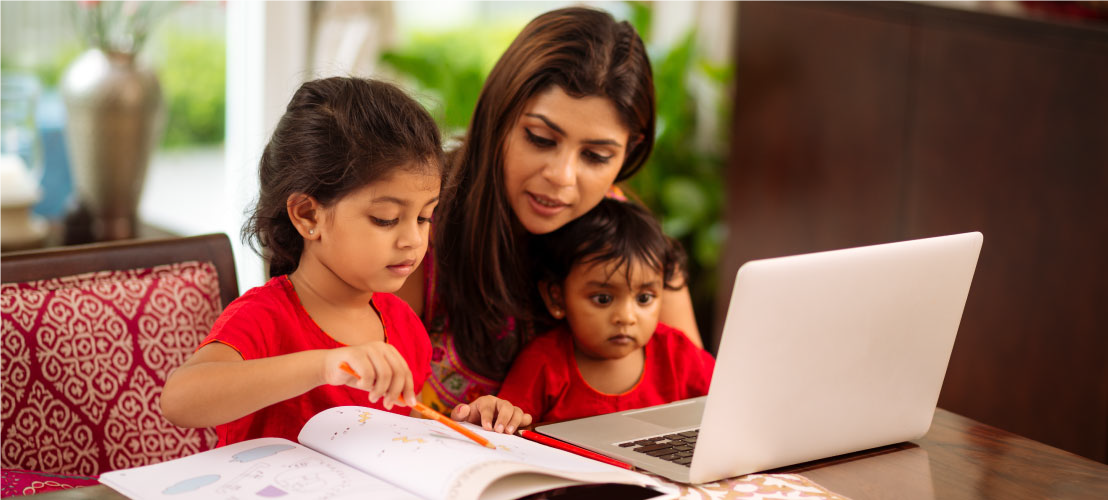
Life changed for everyone when lockdown happened. Schools were forced to close, work for parents moved to ‘work from home,’ maids were stopped from coming and life’s routine changed for all before there was enough time to absorb the reality or plan for it. While parents were at home, they were busy dealing with multiple things, some never done before - household chores, child care, care of the elderly to name a few - while adjusting to work from home. Adults and children struggled with all that changed.
In normal times, routine and structure for children is imposed because of a regular school day, with times accordingly scheduled for play time with friends, co-curricular events and weekend activity. While this structure changes quite naturally during holidays with more freedom and less stringent expectations – regarding time for play, TV, interaction with friends and so on. School at home means both children and parents are in a space which is ‘no school, yet not on holiday’ eliminating an imposed fixed structure and routine.
With this now, continuing longer than initially expected, it has become imperative for parents to look at what they could do to intentionally create structure in the lives of the children.
But how does structure help?
As play therapist, Kathy Eugster says “When parents provide structure, it means they are asserting and establishing their parental authority and control in a responsible manner in order to encourage healthy growth and development of their children”.
It helps children of all ages feel secure physically and emotionally; it helps them take care of themselves and learn to interact with others. They learn to constructively manage themselves and their environment. It helps them internalize the needed habits that are part of growth and development. Strangely, structure also helps them feel more empowered to deal with the uncertainties of life.
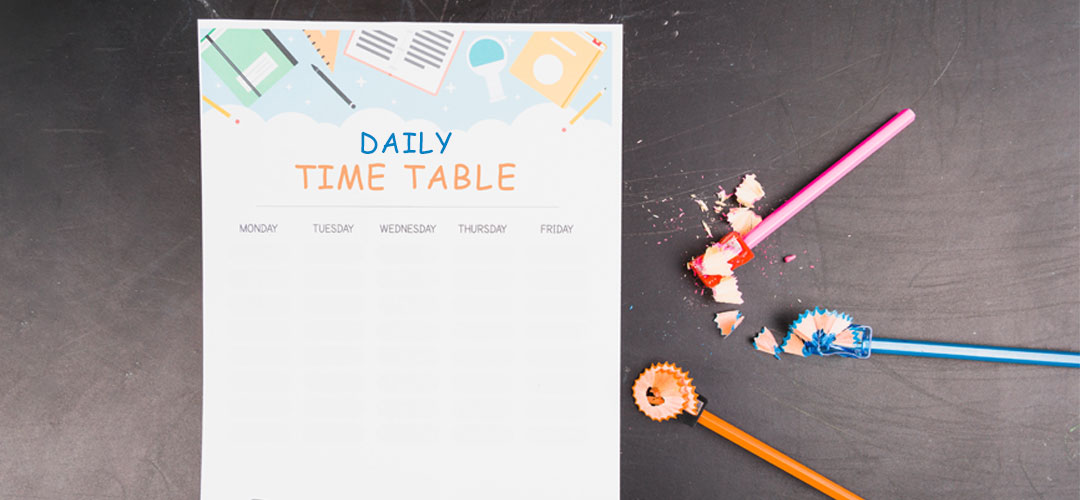
Structure includes setting up age appropriate schedules and routines for the day, such as specified times for study, play, TV etc. It means defining the chores to be done by the children - ‘who does what’. It also means setting up expectations and boundaries for various behaviours including clearing up toys at the end of play time, putting things back in place, regulating the time for television, use of phone for older kids so on.
More so today when schooling is happening at home, and parents need to cope with their own work, and the child’s schooling, structure in terms of timings would help the child finish up what is required of them. Setting apart a little time during the day or weekends in doing household chores, trains children to learn these tasks, giving them a sense of mastery and adding to their sense of confidence. It helps to equip them for young adulthood, or when they might have to leave home for further studies.
An important aspect of creating structure is Consistency. This helps a great deal in ensuring that the structure set up works. When children know exactly what is to be done and when, it brings clarity and avoids confusion. Consistency helps provide a sense of safety for the child as boundaries and expectations are set. It helps both parents and children to know what the child needs to focus on and achieve during the day whether it be with regard to studies, their projects, assignments or clearing up their cupboards.
While building and implementing routines can seem challenging, here are some pointers:
- Include school going children and older ones in the process. Children are more likely to comply if they feel like they have been involved in setting it up.
- Remember that structure should not be oppressive. It can be modified and varied depending up on individual needs. Check-ins and evaluation of the routine from time to time might be necessary.
- You also need to keep in mind that children will be children, and reiteration of the expectations would need to happen at regular intervals. Some amount of flexibility within the structure will give room for creativity and innovation, which facilitates growth and development. It also helps to keep resentment at bay.
- Getting children to follow a structure can be challenging, however one thing that helps is a generous dose of frequent encouragement. Focussing on the positives—the small achievements - and positive reinforcement will help the child feel motivated; rather than focussing on the negatives and what was not achieved.
- Set an example of following structure in your own lives as parents, they will watch and emulate.
- Be kind to yourself as a parent and be kind to the child as well. This is a difficult time for all---parents and children.
Having routines and expectations helps in equipping children cope with changes effectively. This in turn will help them learn they can do it - an important step in building resilience.
Chaotic and unstructured environments are detrimental to children’s healthy development.
If you would like to discuss further on any aspect discussed above do contact our counsellors.









Add comment